
Best Extended Car Warranty: Fair Pricing Guide for Smart Car Owners
A fair extended car warranty runs between $1,500 and $4,000 for most mid-range vehicles, and the gap between a solid plan and an overpriced one comes down to three things: covered components, claim limits, and the fine print on exclusions. The average out-of-warranty repair tracked by RepairPal lands near $500 to $600, but transmission or hybrid battery failures can blow past $5,000 fast.
So how do you tell a genuine protection plan from a glorified sales script? It starts with reading the contract, not the brochure. This guide breaks down what's actually included, where the dollar caps hide, and the exact questions that separate a worthwhile policy from money down the drain. No sales pitch here — just numbers, mechanics, and a checklist that holds up.
What Vehicle Service Contracts Actually Cover
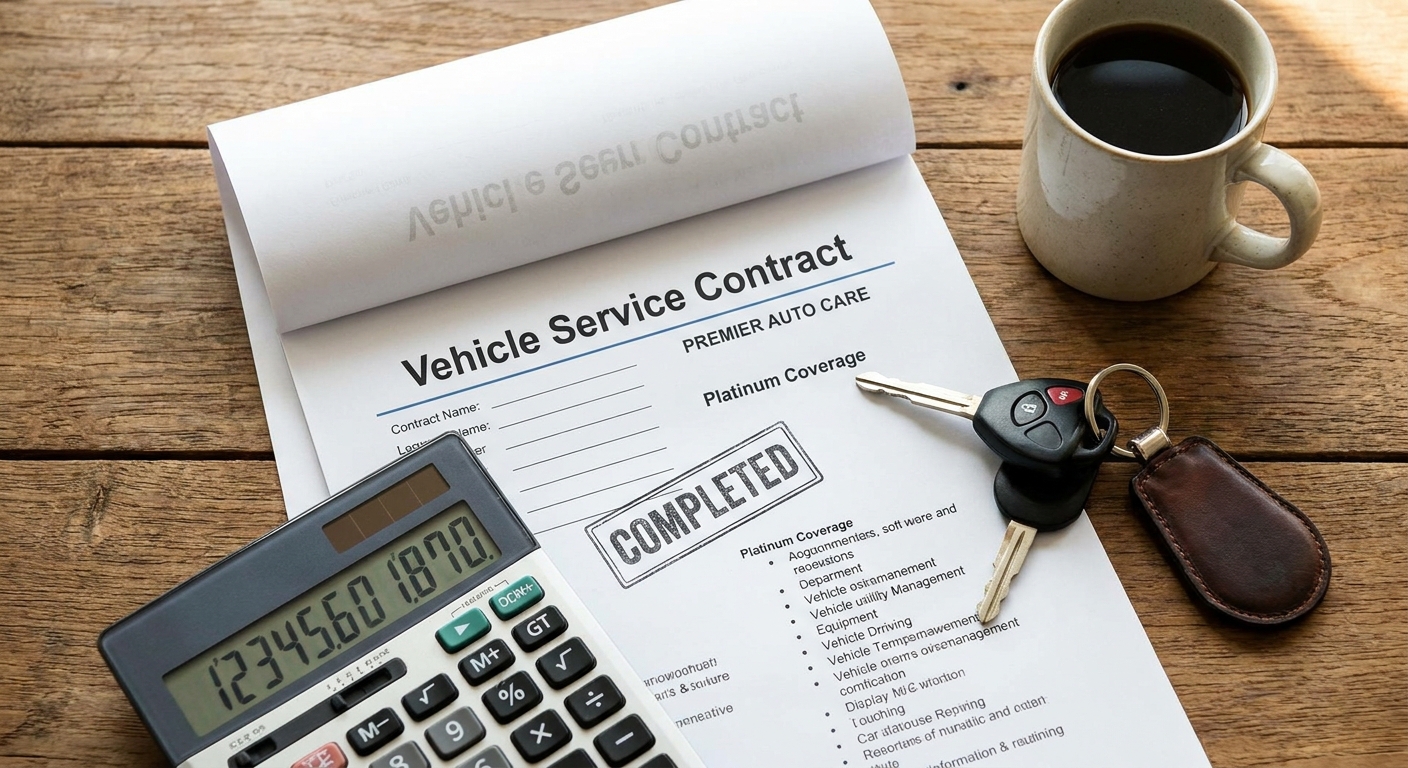
An extended car warranty isn't technically a warranty at all once the manufacturer's term ends — it's a vehicle service contract sold by the automaker or a third-party administrator. The label matters less than the coverage tier. Most plans fall into three buckets: powertrain, named-component, and exclusionary (often marketed as bumper-to-bumper). Powertrain covers the engine, transmission, and drive axle. Exclusionary plans cover everything except a short list of named exclusions, which makes them the broadest and priciest.
Components That Make or Break a Plan
The best extended car warranty plans spell out coverage for the costly failures: transmission rebuilds ($2,800–$4,500 per RepairPal), engine work, and on hybrids or EVs, the high-voltage battery pack. Wear items — brake pads, wipers, tires — are almost never covered. Check whether seals, gaskets, and electronics make the list, since those drive a huge share of modern claims.
Claim Limits Hiding in Plain Sight
Per-claim and aggregate caps quietly shrink your protection. Some contracts cap total payouts at the vehicle's actual cash value, so a $4,000 repair on a depreciated car may only return $2,500. Others limit individual claims. Read teh limit section before the coverage section — that's where the real value lives.
Pricing Tiers and What Drives the Cost
Cost swings wildly based on vehicle age, mileage, brand reliability, and deductible choice. A reliable Japanese sedan with 40,000 miles might insure for $1,400 over five years. A German luxury SUV with 70,000 miles could top $4,500 for similar terms. Consumer Reports surveys have repeatedly found that a majority of buyers never use enough of their plan to recoup the premium — a sobering data point worth remembering before signing.
Deductibles and Payment Structure
Deductibles typically range from $0 to $200 per visit. A $100 deductible can shave 10–15% off the premium versus a zero-deductible plan. Monthly financing through a dealer usually adds interest, so paying the contract in full, when possible, costs less overall.
Where You Buy Changes the Price
Dealer-sold contracts carry markup that's negotiable — often 30–50% above the administrator's floor price. Direct-to-consumer providers and credit unions frequently undercut dealers. Ever wonder why the finance office pushes so hard at signing? That's the margin talking.
How to Evaluate Any Offer
Run every offer through a short, honest filter. The flashy coverage chart means nothing if the contract excludes your most likely repairs or routes claims through a slow administrator.
The 3-Question Checklist
- What's the exact exclusion list, and does it name the parts most likely to fail on my make and model? If the contract won't show you the full terms before purchase, walk away.
- What are the per-claim and aggregate payout limits, and do they account for depreciation? A cap tied to cash value erodes coverage every year.
- Who administers the claims, are they backed by an insurer, and what's their complaint record with the Better Business Bureau and your state insurance department?
Verify the Backing, Not Just the Brand
A contract is only as good as the company paying claims. Check whether the administrator is insured against insolvency — reputable plans carry this. The NHTSA and FTC both warn consumers about robocall scams pushing fake auto warranties, so confirm licensing in your state before sending a dime.
Step-by-Step Action Plan and Pitfalls
Start by pulling your vehicle's reliability data from Consumer Reports and typical repair costs from RepairPal. Compare those against the premium. If your car rarely needs major work and your emergency fund covers a $3,000 repair, self-insuring may beat any plan.
Your Buying Sequence
Get at least three written quotes — one from the dealer, one from a credit union, one from a direct provider. Request the full sample contract for each. AAA recommends comparing identical coverage tiers rather than headline prices. Then negotiate; dealer markup is real and soft.
Mistakes That Cost the Most
- Buying coverage that overlaps your existing factory warranty — you're paying twice for the same years.
- Ignoring the cancellation clause; good plans offer prorated refunds.
- Assuming "bumper-to-bumper" means everything. It doesn't.
Insider tip you won't find in the top results: many third-party administrators sell the identical contract under different brand names at different prices. Ask for the administrator's name, then search that name plus your quote — you'll sometimes find the same plan for hundreds less elsewhere.